I want to build methods that organize many agents so that strong abilities emerge from simple interaction rules.
My starting point is Anderson’s “more is different”: at scale, new phenomena emerge that you can’t predict from the parts. Wolfram’s A New Kind of Science makes the same case computationally. Simple rules, iterated, produce genuinely complex behavior. I want to study this in multi-agent AI systems, where a group of agents achieves what no single agent could. Right now I’m interested in agent swarms.
Scalable Oversight.
I want to build oversight methods that scale together with the model itself.
Goodhart’s law says that once a measure becomes a target, it stops being a good measure. Almost every way we train and audit AI runs into this (RLHF, LLM judges, debate, weak-to-strong supervision, etc.). This is a safety problem, because we lose the ability to tell when the system has gone wrong. It is also a problem for self-improvement, because a system can only improve as far as its supervision signal can see. I want to know where a supervision signal can come from when the system is stronger than its evaluator, and how to keep it trustworthy as both keep changing.
News
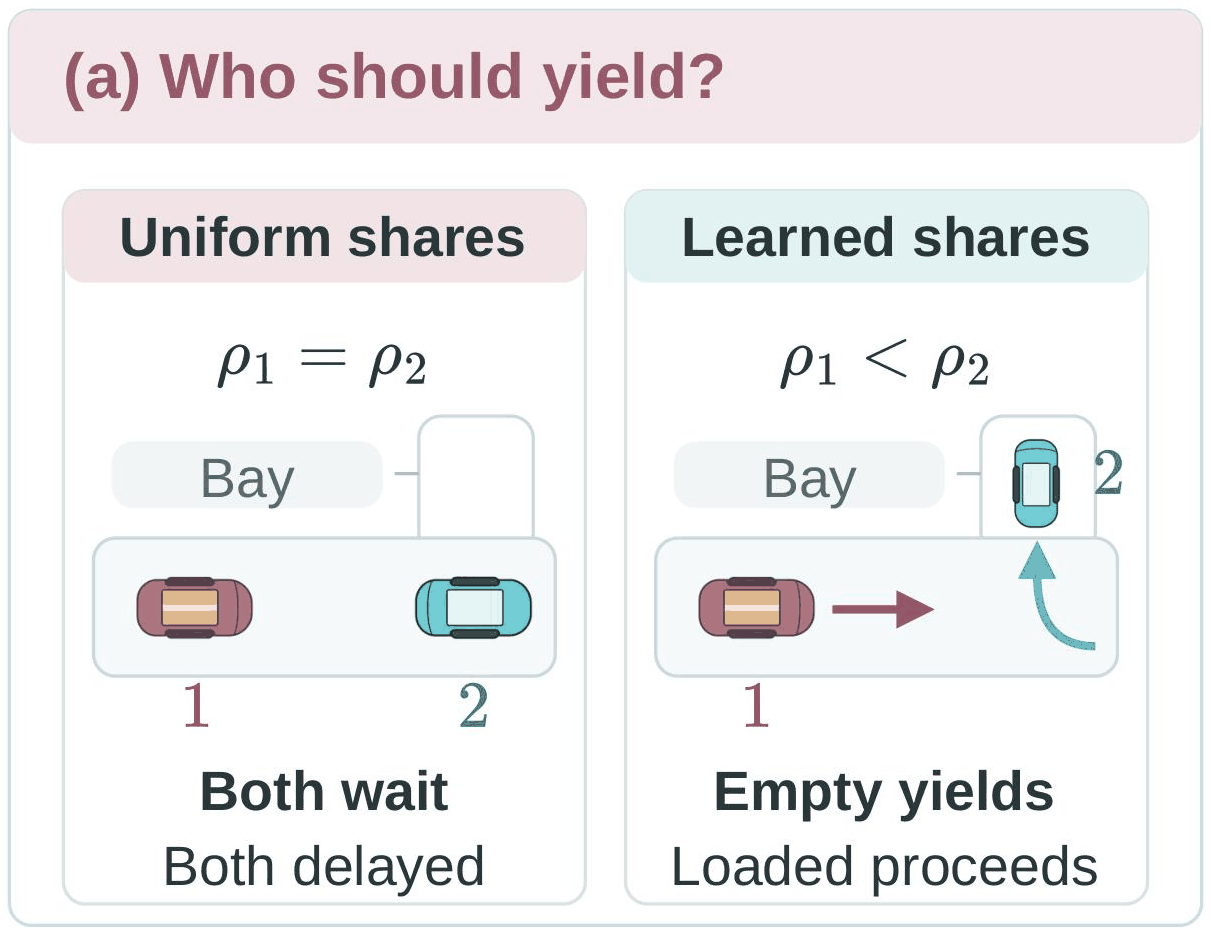
New preprint on learning responsibility for shared constraints in multi-agent RL is on arXiv.
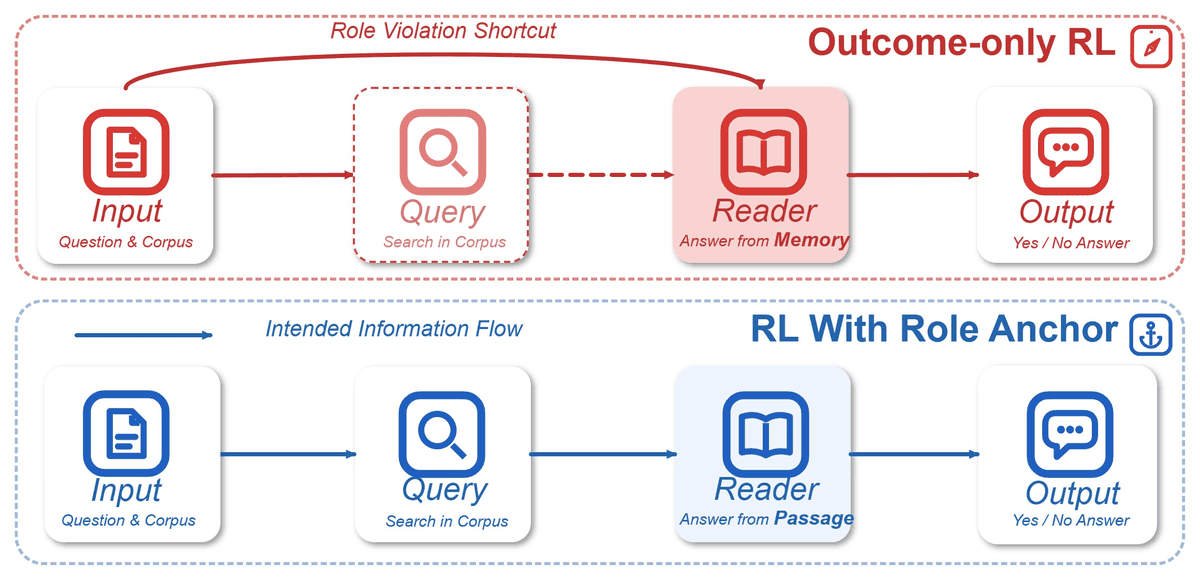
Our paper on role drift in compound LLM systems was covered by VentureBeat.
New preprint on role drift in compound LLM systems is on arXiv.
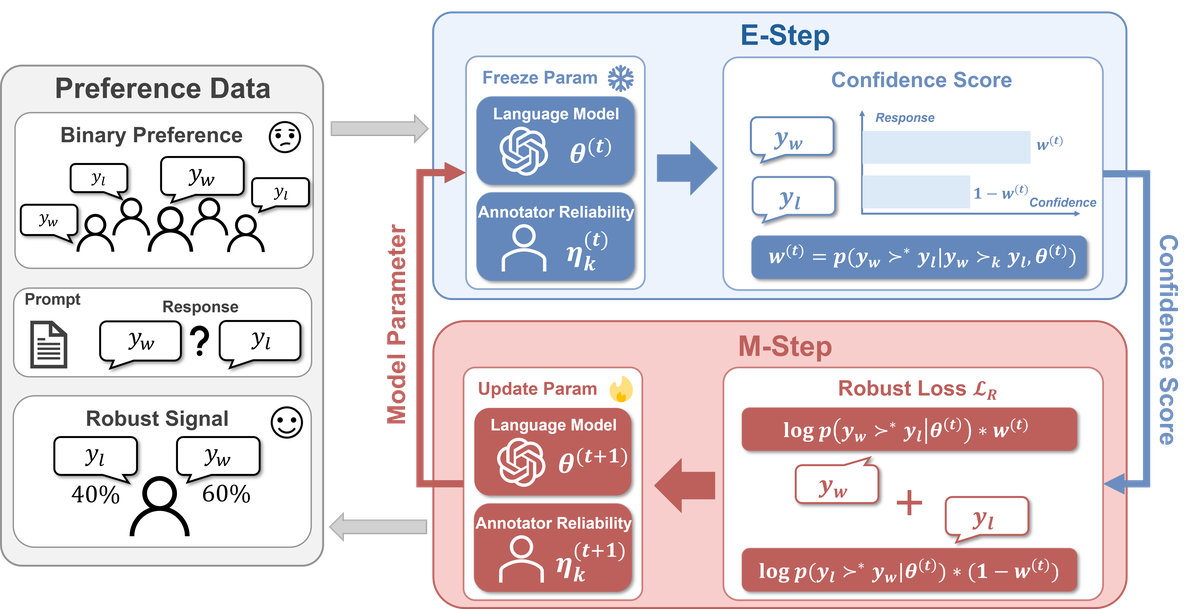
RE-PO, our framework for robust LLM alignment, was accepted at ICLR 2026.
Started my M.S. at MIT.
Admitted to MIT for Fall 2025.
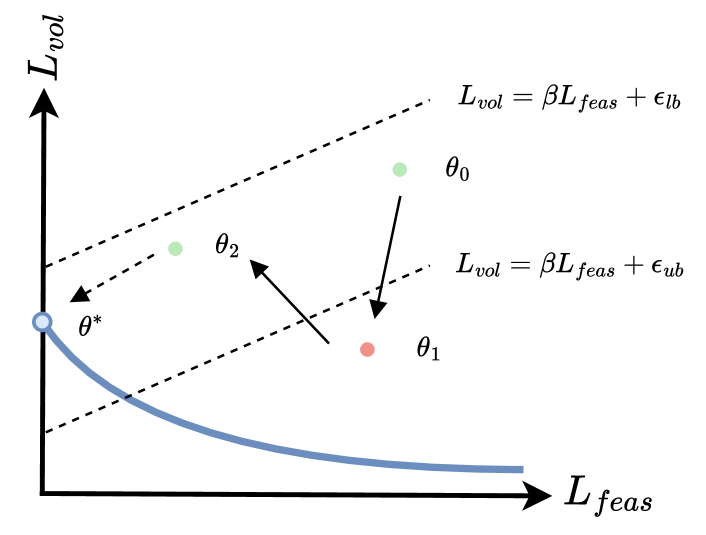
Our paper on Pareto Control Barrier Functions was accepted at ACC 2025.
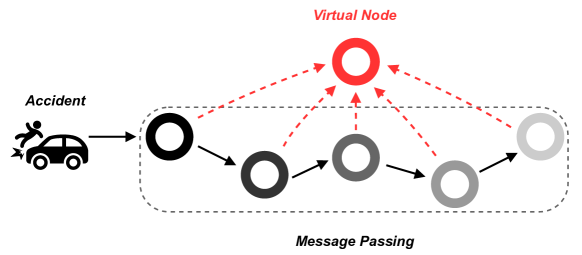
Our paper on virtual nodes for traffic prediction was accepted at TRB 2025.
Education
2025–2027
Massachusetts Institute of TechnologyDual M.S., Computational Science & Engineering and Technology & Policy · expected May 2027
2024
University of California, BerkeleyExchange student, Jan–Aug 2024
2021–2025
Tsinghua UniversityB.S. in Mathematics and Physics